Every business needs a logo. That part’s true.
But somewhere along the way, ‘logo’ became shorthand for ‘everything that makes a brand look like a brand’ — and that’s where a lot of small business owners end up confused, underprepared, and quietly wondering why their business doesn’t feel as put-together as they want it to.
Here’s the actual difference between a logo and a brand identity — and how to figure out which one your business needs right now.
What a Logo Is — and What It Isn’t
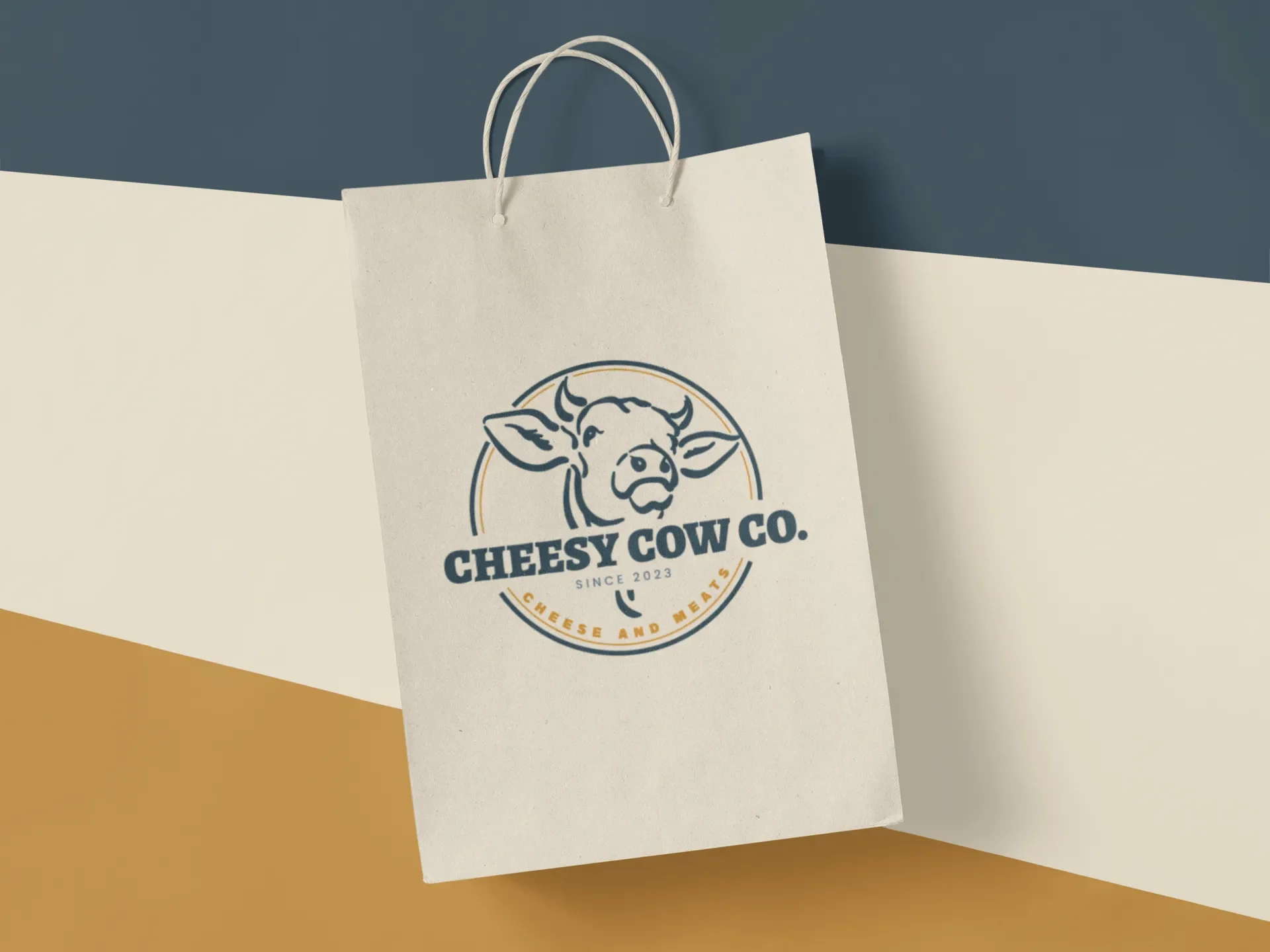
A logo is a mark. It’s the visual symbol that identifies your business — a wordmark, an icon, or both. It goes on your website header, your business cards, your invoice footer, your van door.
That’s its job. Not to convey your entire brand story. Not to communicate your values, your personality, or your promise. Just to identify you, consistently, across every surface it appears on.
It’s the face. Not the personality.
What Brand Identity Actually Is
Brand identity is the whole system. Your logo is one piece of it.
A complete brand identity includes:
- Logo — primary mark, secondary mark, icon-only version
- Colour palette — core colours with hex codes for digital and CMYK for print
- Typography — the specific fonts for headings, body copy, and accents
- Visual style — the approach to photography, illustration, graphic elements
- Brand voice — how your business sounds in writing: tone, vocabulary, what you will and won’t say
- Usage guidelines — the rules for how everything gets applied consistently
When all of those elements work together, you get something bigger than any single piece: recognition. A customer sees your Facebook post without reading your name and knows it’s you. That’s not magic — that’s a well-built identity doing exactly what it’s supposed to do.
Why the Confusion Happens
Most small businesses start with just a logo — because that’s what feels urgent at launch. You need something to put on things. So you get a mark, and the rest happens organically.
The problem is that ‘organic’ usually means inconsistent. Different fonts on your website versus your business cards. Colours that are close but not exactly matching across print and digital. Social posts that look like they came from three different businesses.
Every inconsistency is a small leak. Individually they feel minor. Collectively they make your business look like it’s still figuring things out — even if you’ve been operating for years and genuinely know what you’re doing.
Which One Do You Actually Need?
Just starting out?
A simple, professional logo is the right starting point. Don’t overthink it. Get a clean mark, a basic colour palette, and the files you need. Build out a fuller identity once you have more clarity about where the business is going.
Been running for a while but your brand feels scattered?
This is the moment to invest in a full identity. You know your customers. You know what you stand for. The visual system just needs to catch up. A proper brand kit gives everyone who touches your brand — a web designer, a print shop, a social media manager — the same reference point.
Ready to rebrand?
Same answer, with one addition: start with strategy before touching anything visual. Who’s your customer? What do you want people to feel when they encounter your brand? What needs to be left behind? Answer those first. Then open Illustrator.
Brand Strategy: The Part Most Small Businesses Skip
Brand strategy is the thinking that happens before the design.
It’s defining who you serve — specifically, not ‘everyone.’ It’s articulating what makes you different from the other options your customer is weighing. It’s deciding what feeling you want your business to create.
Design without strategy produces something that looks fine but doesn’t do much. Strategy without design produces clarity that never gets communicated. You need both.
Here’s what I’ve learned: the small business owners who have the clearest sense of who they are and who they’re for end up with brands that are genuinely hard to confuse with anyone else. A Brantford contractor and a Simcoe farm market have very different customers — and their brands should feel completely different, even if they were built by the same designer. That specificity is the foundation. The logo is just where it becomes visible. [internal link: /services/branding/]
Consistency Is the Work
You can have a beautifully designed logo. And if your website uses different fonts, your social posts run in off-brand colours, and your email signature doesn’t match your cards — none of that investment lands.
Consistency builds recognition. Recognition builds trust. Trust is what turns someone who found you on Instagram or drove past your truck into a customer who books you, recommends you, and comes back.
That’s not extra — that’s the whole point.
What a Branding Project Looks Like at Creative Atmosphere
Branding work starts with a real conversation — not a form. I want to understand your business, your customers, your goals, and the gap between where your brand is now and where it needs to be.
From there, the process moves through concept development, refinement, and a final brand kit: logo files, colour palette, typography guide, and usage notes. You leave with everything you need to apply your brand consistently — whether you’re briefing a local print shop, updating your website, or handing off to a new social media manager.
I work with businesses of all sizes and industries across the region. The scope changes depending on where you are. The process doesn’t. Learn about the branding services.
Frequently Asked Questions
Can I build a brand identity myself?
You can get partway there — picking colours you love, finding fonts that feel right. But without design training it’s hard to know whether your choices hold up across contexts, or whether they’ll conflict in ways that are subtle but felt. For a business you’re serious about, working with a designer is worth it.
How much does a brand identity package cost?
In Canada, a full identity from a freelancer or boutique studio typically runs $800–$3,000+ depending on scope. Larger agencies with brand strategy included can range $5,000–$15,000. For most small businesses in this region, the lower to mid range is where the work gets done well.
Do I need to rebrand if I already have a logo?
Not necessarily. Sometimes what’s needed isn’t a new logo — it’s the system around it. Formalizing your colours, picking consistent fonts, and creating a simple style guide can bring real cohesion without touching the mark at all.
What’s a brand style guide and do I need one?
A brand style guide specifies how your visual identity gets used — logo versions, colour codes, font names, spacing rules. You need one the moment anyone other than you is creating materials with your brand on them.
My logo was made in Canva. Is that a problem?
Practically speaking: Canva logos can’t be trademarked if they use stock elements, they’re often not available as proper vector files, and the same templates get used by thousands of other businesses. If you’ve grown past testing an idea, it’s time to invest in something custom.
When You’re Ready to Build Something That Lasts
Whether you need a first logo, a full rebrand, or just help figuring out what your brand actually needs — I’d love to have that conversation. No obligation. No sales pressure.
I work with small businesses across Oxford, Brant, and Norfolk Counties — from Woodstock to Brantford to Simcoe and the smaller communities in between. Whenever the timing feels right, my booking link is below.